


Why Tankless Water Heater Pros and Cons for Coastal Homes Matter on the Emerald Coast
Understanding the tankless water heater pros and cons for coastal homes is the first step to making a smart decision about your hot water system — especially along Florida’s Emerald Coast, where salt air, hard water, and high seasonal demand create conditions that simply don’t exist inland.
Here’s a quick look at the key pros and cons:
Pros of Tankless Water Heaters for Coastal Homes
- Endless hot water — no running out during peak rental weekends
- 24%–34% more energy-efficient than traditional tank models for typical households (U.S. Department of Energy)
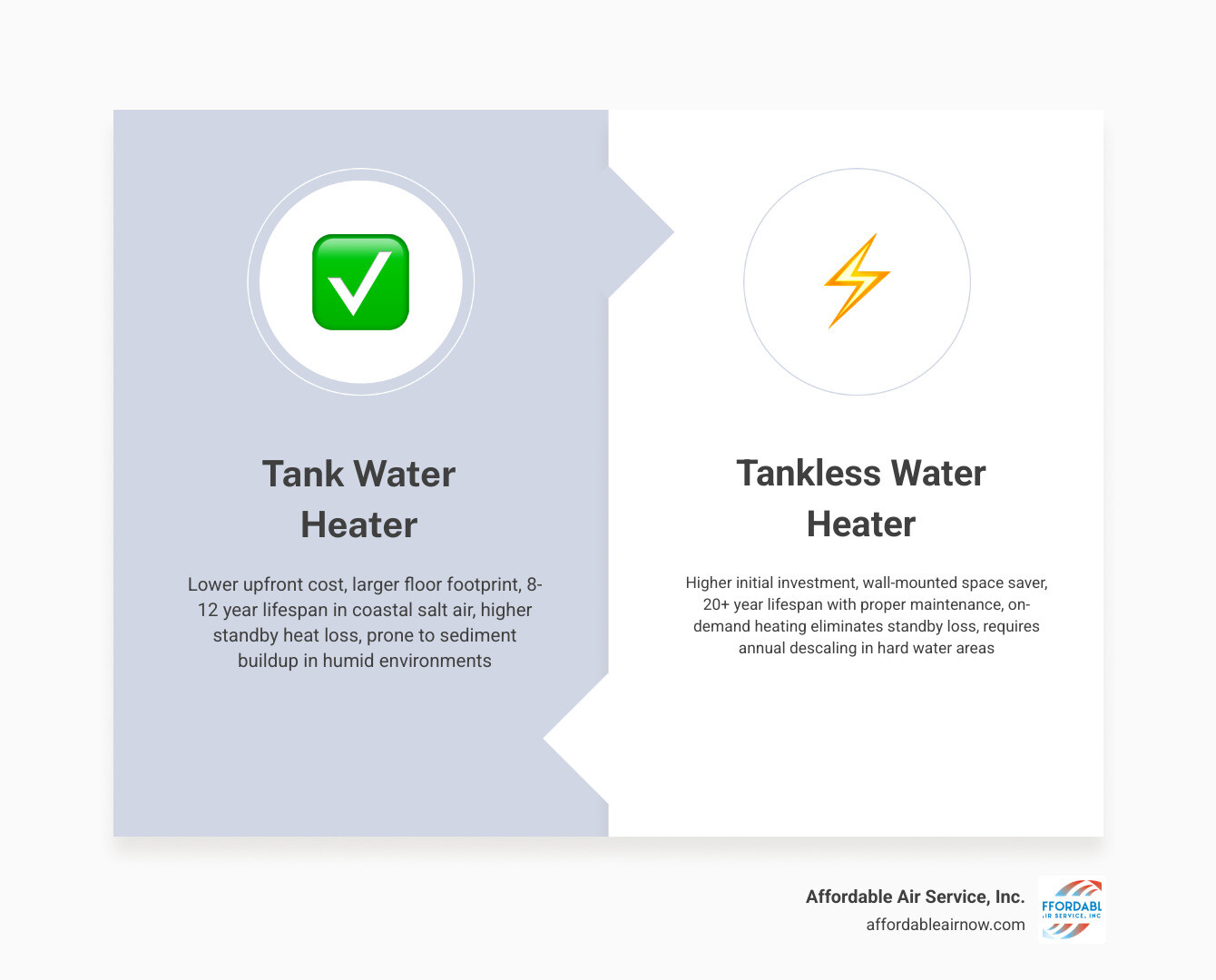
- Longer lifespan — up to 20+ years vs. 8–12 years for tank models in Florida’s coastal climate
- Wall-mounted, space-saving design ideal for condos, garages, and utility closets
- Lower standby heat loss since water is only heated on demand
Cons of Tankless Water Heaters for Coastal Homes
- Higher upfront and installation costs compared to traditional tanks
- Salt air and marine humidity can corrode electronics and small metal components faster
- Hard water mineral buildup requires annual descaling to maintain efficiency
- May require gas line upgrades, dedicated electrical breakers, or new venting
- HOA or building rules in condos may restrict installation options
Traditional tank water heaters, by contrast, cost less upfront and handle sediment slightly better — but they fail faster in salty, humid environments and can leave large beach households without hot water at the worst possible moment.
If you own a home, vacation rental, or condo along the 30A corridor or anywhere on the Emerald Coast, the choice between tank and tankless isn’t just about efficiency. It’s about durability in a harsh environment, meeting peak hot water demand, and keeping long-term maintenance manageable.
Common tankless water heater pros and cons for coastal homes vocab:
- is a tankless water heater worth it on the gulf coast
- is a tankless water heater worth the upgrade
- tankless water heater cost vs value long term
Weighing the Tankless Water Heater Pros and Cons for Coastal Homes
When we look at water heating on the Gulf Coast in June 2026, we have to consider how our unique climate changes the rules of home plumbing. Traditional storage tanks work by keeping 40 to 80 gallons of water hot 24/7. This constant heating cycle leads to standby heat loss, where energy is wasted keeping water hot even when you are asleep or away at the beach.
Tankless water heaters use on-demand heating. When you turn on a hot water tap, a flow sensor detects the movement of water and instantly fires up a high-powered gas burner or electric heating element. The water is heated as it flows through a compact heat exchanger, delivering a continuous stream of hot water without storing a single drop.
In our humid, salt-heavy environment, the physical differences between these two systems become highly consequential. To help you visualize how they stack up, we have put together a quick comparison table:
| Feature | Traditional Storage Tank | Tankless Water Heater |
|---|---|---|
| Heating Method | Continuous storage (always on) | On-demand (instantaneous) |
| Lifespan (Coastal FL) | 8 to 12 years | 15 to 20+ years (with maintenance) |
| Standby Heat Loss | High (heats water constantly) | None (heats only when active) |
| Space Required | Large footprint (takes up floor space) | Compact (wall-mounted) |
| Salt Air Vulnerability | Thicker outer shell, but susceptible to bottom-up rust | Sensitive circuit boards and sensors |
| Mineral Scale Impact | Sediment settles at the bottom of the tank | Scale clogs narrow internal passages |
| Hot Water Supply | Limited to tank capacity | Endless |
The Advantages of Tankless Water Heater Pros and Cons for Coastal Homes
The most celebrated benefit of going tankless is the luxury of endless hot water. In a beachside property filled with family or vacation guests, there is nothing worse than being the last person in line for a shower only to find the hot water has run out. On-demand systems eliminate this frustration entirely.
Additionally, because they only heat water when you need it, these systems are incredibly efficient. According to the U.S. Department of Energy, tankless water heaters can be 24% to 34% more energy-efficient than conventional storage tanks for homes using 41 gallons or less of hot water daily. Even in larger, high-use households, they achieve impressive efficiency gains. Electric tankless models can reach efficiency levels of over 98%, while gas models typically range from 80% to 85% efficiency. For a deeper look at these efficiency benefits, check out our guide on the Benefits of Tankless Water Heaters and learn how on-demand heating works in No Tank, No Problem: A Guide to On-Demand Heating.
Reclaiming valuable floor space is another major win. Removing a bulky 50-gallon tank from a tight utility closet or a crowded garage in Santa Rosa Beach allows you to repurpose that space for beach gear, storage, or laundry. Plus, because tankless units hold virtually no standing water, the risk of a catastrophic tank rupture flooding your home is completely eliminated.
The Drawbacks of Tankless Water Heater Pros and Cons for Coastal Homes
While the benefits are substantial, we always want our local homeowners to have a complete, balanced picture. The most immediate hurdle is the higher upfront investment. Tankless systems typically cost more to purchase and install than traditional storage tanks due to the complexity of the installation and the potential need for system upgrades.
There are also a few operational quirks to keep in mind. One common phenomenon is the “cold water sandwich” effect. This happens when you turn a hot water tap off and back on quickly. A small pocket of unheated water can get caught in the plumbing lines between the two uses, resulting in a brief, unexpected splash of cold water mid-shower.
Furthermore, tankless units have simultaneous demand limits. While the hot water is endless, the flow rate is limited by the size of the unit. If you try to run the washing machine, the dishwasher, and two showers all at the exact same time, the system may struggle to deliver enough hot water to every fixture simultaneously. To explore how these trade-offs compare to traditional options, read The Great Water Heater Debate: Tank vs. Tankless.
How Salt Air, Humidity, and Hard Water Impact Coastal Water Heaters
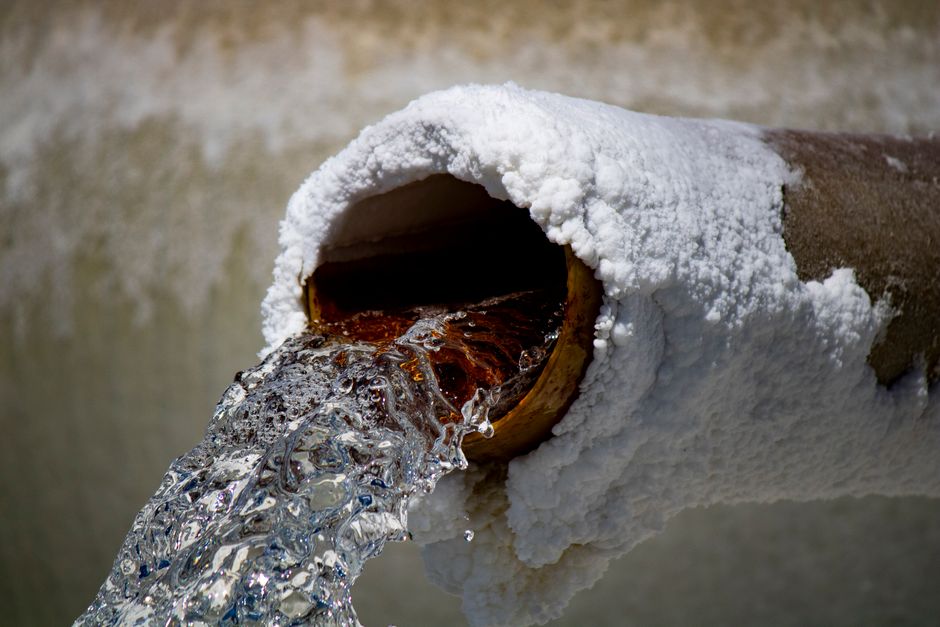
Living along the Gulf Coast means dealing with a beautiful but aggressive natural environment. The combination of salt-heavy air, intense marine-layer humidity, and hard municipal water takes a toll on every appliance in your home, and water heaters are no exception. Understanding these environmental stressors is essential to protecting your investment. You can find more local insights in our article on Everything You Need to Know About Tankless Water Heater Value on the Gulf Coast.
Salt Air Corrosion and Lifespan Realities
Traditional tank water heaters rely heavily on a sacrificial anode rod to protect their steel tanks from rusting. In our highly corrosive coastal air, these anode rods deplete rapidly—sometimes dissolving completely in under two years. Once the anode rod is gone, the salt air and moisture eat away at the tank shell, often causing it to rust through and leak in as little as 8 to 12 years.
Tankless water heaters do not have storage tanks or anode rods, which gives them a distinct advantage. However, they are not immune to the coast. Their vulnerability lies in their sensitive electronic circuit boards, sensors, and small metal fasteners. If a tankless unit is installed outdoors without proper protection, the marine atmosphere can cause rapid corrosion of these delicate electronic components.
To maximize the life of a tankless system on the Emerald Coast, we strongly recommend indoor installations or placing the unit inside a weather-resistant, protective enclosure. With proper protection and routine care, a tankless unit can easily last 15 to 20 years or more, outliving a traditional tank by a wide margin. Learn more about the long-term durability of these systems in Lifespan and Savings: Is the Tankless Long Game for You?.
Hard Water Scale and Mineral Buildup
Groundwater along the Florida Panhandle is notoriously high in minerals like calcium and magnesium. When water is heated, these minerals crystallize and settle out of the water, creating a hard white crust known as scale.
Because tankless water heaters rely on narrow internal copper passages within their heat exchangers to heat water rapidly, they are highly sensitive to scale. Even a tiny layer of scale buildup—as thin as 1/16 of an inch—can act as an insulator, reducing the heating efficiency of your unit by up to 15% and forcing the system to run hotter and work harder to achieve the same water temperature.
To combat this, coastal homeowners must stay on top of annual maintenance. This involves a professional descaling flush using a specialized solution to dissolve the mineral buildup inside the heat exchanger. Pairing your tankless unit with a whole-home water softener is also an excellent way to protect the heat exchanger, preserve your system’s efficiency, and safeguard your manufacturer’s warranty. For a complete comparison of water quality solutions, check out our Water Heater Options Guide for Florida Homeowners.
Coastal Installation Challenges: Venting, Electrical, and HOA Rules
Switching from a traditional tank to an on-demand tankless system is not a simple “plug-and-play” swap. Coastal homes, especially those in historic areas, tight-knit communities, or condo complexes in Destin and Miramar Beach, present unique structural and regulatory challenges that must be navigated during installation.
Space Constraints in Garages, Condos, and Utility Closets
Space is at a premium in many coastal properties. In local condos and townhomes, water heaters are often tucked away in tiny utility closets, crawl spaces, or tight garage corners.
A wall-mounted tankless water heater is an incredibly elegant solution for these tight spaces. By mounting the unit to the wall, you can reclaim several square feet of floor space. This is a massive benefit compared to other high-efficiency options like heat pump water heaters, which require massive amounts of open air space (often 700 to 1,000 cubic feet of clearance) and dump cold air into the surrounding room.
However, if you live in a condo governed by a Homeowners Association (HOA), you must verify local building rules before making the switch. Some HOAs restrict any modifications to exterior walls, which can limit your options for routing new exhaust vents or mounting outdoor units. If you are exploring your layout options, our Essential Guide to Home Plumbing Hot Water Heater Options is a great place to start.
Gas Lines, Venting, and Electrical Panel Upgrades
The physical infrastructure of your home plays a major role in determining the feasibility of a tankless upgrade:
- Gas Line Sizing: Gas-powered tankless units require a large burst of fuel to heat water instantly. While a traditional tank might run perfectly on a standard 1/2-inch gas line, a tankless unit often requires a larger 3/4-inch gas line to deliver adequate fuel.
- Venting Requirements: Gas tankless units must be vented directly to the outdoors using specialized, corrosion-resistant materials (like PVC or double-wall stainless steel) to safely exhaust combustion gases. Routing these vents through coastal home structures requires careful planning to comply with the Florida Building Code.
- Electrical Panel Capacity: If you opt for an electric tankless water heater, your electrical panel must be up to the task. These high-draw units often require multiple dedicated 40-amp breakers. In older coastal homes, this can necessitate a complete electrical panel upgrade.
- Condensate Routing: High-efficiency condensing tankless units produce acidic condensation during the heating process. This runoff must be safely routed to a proper drain via a condensate neutralizer to protect your home’s plumbing and foundation.
Because of these complexities, professional installation by licensed local experts is absolutely essential. We ensure that all permits are properly filed with local building departments in Walton or Okaloosa County and that every connection is perfectly executed. For more details on the installation process in our area, read our Tankless Water Heaters Installation Guide Destin FL and explore our breakdown of The Great Water Heater Showdown: Gas vs. Electric vs. Tankless.
Frequently Asked Questions About Coastal Water Heaters
How does salt air affect tankless water heater lifespan?
Salt air and high coastal humidity accelerate the degradation of exposed metal parts and delicate electronic components. In a tankless unit, this primarily affects the circuit boards, sensors, and external electrical connections. If left unprotected, salt crust can form on these components, leading to electrical shorts or premature component failure.
To maximize the unit’s lifespan, we recommend installing the system indoors (such as in a garage or utility closet) or utilizing a high-quality, weather-protected outdoor enclosure. Regular maintenance, including checking the cabinet seals and keeping the air intake filters clear of salt and debris, will also help a tankless unit reach its full 20+ year potential.
Do I need a water softener for a tankless system on the Emerald Coast?
While a water softener is not legally required by local building codes, it is highly recommended. The municipal and well water along the Emerald Coast contains high levels of dissolved calcium and magnesium. Over time, these minerals bake onto the hot surfaces of your tankless heat exchanger, forming a thick scale barrier.
This scale forces the unit to run hotter, reduces its efficiency, and can eventually lead to system failure. Many manufacturers will void their warranties if a tankless unit fails due to unchecked scale buildup. Installing a whole-home water softener or a dedicated scale-prevention filter is the best way to protect your investment and maintain peak efficiency.
Can a tankless water heater handle a large beach rental home?
Yes, absolutely! In fact, tankless systems are often the preferred choice for high-occupancy vacation rentals along the 30A corridor. Because they heat water on demand, there is no risk of a large group of renters running out of hot water after a long day at the beach.
The key to success is proper sizing. A single, small tankless unit may struggle if three showers, a washing machine, and a dishwasher are all running at the exact same time. For larger beach homes, we often design a system using multiple tankless units plumbed in parallel or install a high-capacity model with a dedicated recirculation pump to ensure instant, high-flow hot water to every corner of the property.
Conclusion
Navigating the tankless water heater pros and cons for coastal homes doesn’t have to be overwhelming. While on-demand systems offer incredible benefits like endless hot water, space savings, and superior energy efficiency, they do require careful planning around salt air protection, hard water management, and professional installation.
At Affordable Air Service, we have spent decades helping our neighbors in Santa Rosa Beach, Destin, Miramar Beach, and throughout the Emerald Coast find the perfect comfort solutions for their homes. Whether you need a proactive system replacement, regular maintenance, or expert plumbing repairs, we are here to help. Our combined expertise ensures that your water heating, plumbing, and HVAC systems work in perfect harmony.
Ready to explore your hot water options or schedule a free estimate? Read our guide on One Call to Rule Them All: Streamlining Your Home Maintenance to see how we simplify your life, or visit our Affordable Air Service Plumbing and HVAC Services page to book your consultation today!