


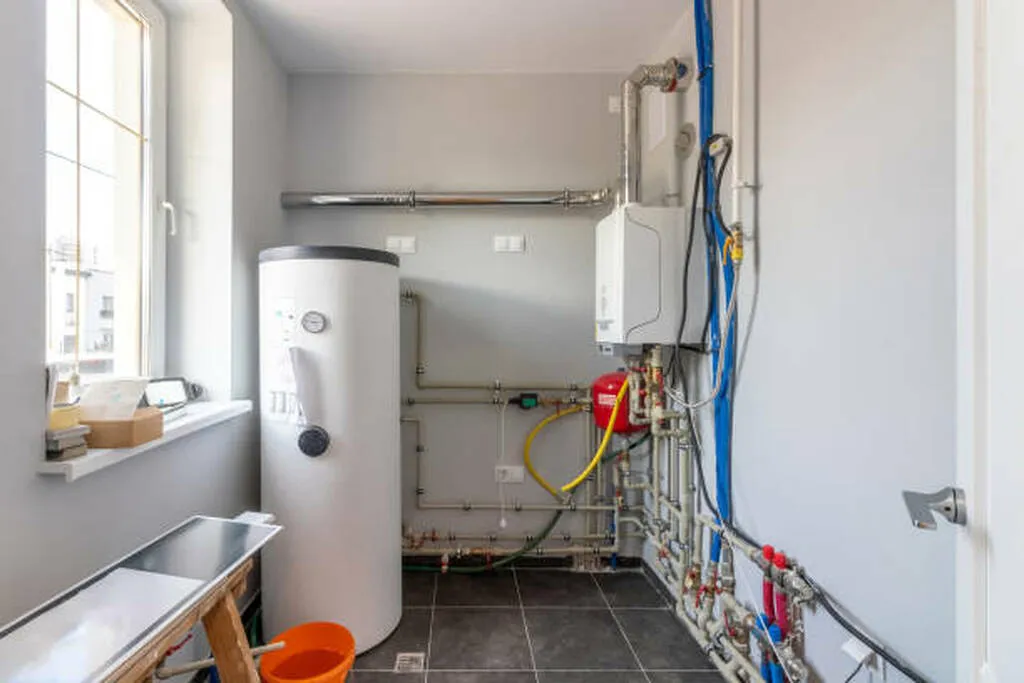
Types of Water Heaters for Your Home: A Comprehensive Guide to Choosing and Understanding Your Options
Choosing the right water heater is crucial for ensuring comfort and efficiency in your home. With various types of water heaters available, understanding their differences can help you make an informed decision that aligns with your household needs and energy goals. This comprehensive guide will explore the main types of water heaters, their benefits, and how to select the best option for your home. Many homeowners face challenges in balancing energy efficiency with upfront costs, but knowing the available options can simplify this process. We will cover conventional storage tank heaters, tankless systems, heat pump water heaters, and more, providing insights into their operation and advantages.
What Are the Main Types of Water Heaters Available for Homes?
When it comes to water heaters, there are several main types to consider, each with unique features and benefits. Understanding these options can help you choose the best fit for your home.
What Defines Conventional Storage Tank Water Heaters and Their Benefits?
Conventional storage tank water heaters are the most common type found in homes. They consist of an insulated tank that holds a specific amount of hot water, typically ranging from 20 to 80 gallons. These heaters operate by heating water using either gas or electricity, maintaining the water temperature until it is needed.
The benefits of conventional storage tank water heaters include:
- Lower Initial Cost: They are generally less expensive to purchase and install compared to other types.
- Simplicity: Their straightforward design makes them easy to operate and maintain.
- Availability: Hot water is readily available, making them suitable for households with consistent demand.
However, they can be less energy-efficient due to standby heat loss, where heat escapes from the tank even when not in use.
How Do Tankless Water Heaters Work and What Are Their Advantages?
Tankless water heaters, also known as on-demand water heaters, heat water directly without the use of a storage tank. When a hot water tap is turned on, cold water travels through a pipe into the unit, where it is heated by either gas or electricity.
The advantages of tankless water heaters include:
- Energy Efficiency: They only heat water as needed, reducing energy consumption and costs.
- Endless Hot Water: They provide a continuous supply of hot water, making them ideal for smaller households or homes with moderate hot water usage.
- Space-Saving Design: Their compact size allows for installation in smaller spaces, freeing up room for storage.
While the initial cost may be higher, the long-term savings on energy bills can make them a worthwhile investment.
Studies have further explored the practical implications and benefits of upgrading to tankless systems from conventional ones.
Tankless Water Heater Retrofit Analysis
this study used longitudinal empirical utility data analysis to retrofit of tank-type water heating with tankless water heating in residential settings.
Analysis of the effectiveness of a simulation model for predicting the performance of a tankless water heater retrofit, R Ries, 2013
How Do Heat Pump and Hybrid Water Heaters Offer Energy Efficiency?
Heat pump water heaters, also known as hybrid water heaters, use electricity to move heat from the air to heat water, rather than generating heat directly. This process makes them significantly more energy-efficient than traditional electric water heaters.
What Is a Heat Pump Water Heater and How Does It Save Energy?
A heat pump water heater operates by extracting heat from the surrounding air and transferring it to the water in the tank. This method can be two to three times more efficient than conventional electric water heaters, as it uses less energy to heat the same amount of water.
The energy savings potential is substantial, especially in moderate climates where the heat pump can operate efficiently year-round. Homeowners can expect lower utility bills and a reduced carbon footprint.
Despite their clear advantages, the market penetration of heat pump water heaters has faced significant challenges over the years.
Heat Pump Water Heater Market Adoption & Barriers
About 70 years have passed since highly energy-efficient heat pump water heaters (HPWHs) were introduced to the US market. Despite being cost-effective in most applications, the result has fallen far short of expectations, with HPWHs reaching only 1% of overall residential water heater sales. This muted progress parallels a patchwork policy landscape and a host of persistent market barriers, both real and perceived.
Market spoiling and ineffectual policy have impeded the adoption of heat pump water heating for US buildings and industry, E Mills, 1984
What Incentives Are Available for Installing Heat Pump and Hybrid Water Heaters?
Many states and local governments offer incentives for homeowners who choose energy-efficient appliances, including heat pump water heaters. These incentives can include:
- Tax Credits: Federal and state tax credits may be available for the purchase and installation of qualifying heat pump systems.
- Rebates: Utility companies often provide rebates for energy-efficient upgrades, which can significantly offset the initial costs.
- Financing Options: Some programs offer low-interest financing to help homeowners afford the upfront investment.
Researching local incentives can help you maximize savings when upgrading to a heat pump water heater.
Further research highlights the ongoing efforts and challenges in promoting the widespread adoption of these energy-efficient systems.
Advancing Residential Heat Pump Water Heater Adoption
Heat pump water heaters (HPWHs) offer an efficient alternative to electric resistance water heaters, but they suffer from limited market penetration. This paper reviews the current state of HPWHs in the USA, focusing on technology developments and programs to increase adoption.
Increasing the number of installed residential heat pump water heaters in the usa through improved technology and utility programs, B Sparn, 2021
What Should Homeowners Know About Electric and Gas Water Heater Options?

When selecting a water heater, homeowners must consider whether to choose an electric or gas model. Each option has its pros and cons, which can impact efficiency, cost, and installation.
What Are the Pros and Cons of Electric Water Heaters?
Electric water heaters are powered by electricity and are available in both tank and tankless models. The pros of electric water heaters include:
- Lower Installation Costs: They are generally easier and cheaper to install than gas models.
- Safety: Electric heaters do not produce combustion gases, reducing the risk of carbon monoxide poisoning.
- Availability: They can be installed in homes without gas lines.
However, they may have higher operating costs, especially in areas where electricity prices are high.
How Efficient Are Gas Water Heaters Using Natural Gas or Propane?
Gas water heaters, which can run on natural gas or propane, are known for their efficiency and quick heating capabilities. The pros of gas water heaters include:
- Lower Operating Costs: Natural gas is often cheaper than electricity, leading to lower monthly bills.
- Faster Heating: Gas heaters can heat water more quickly than electric models, providing hot water on demand.
- Reliability: They can continue to operate during power outages, ensuring hot water availability.
However, they require proper ventilation and may have higher installation costs due to gas line requirements.
How to Choose the Right Water Heater for Your Emerald Coast Home?
Selecting the right water heater involves considering several factors, including household size, budget, and energy goals.
Which Factors Affect Water Heater Selection: Household Size, Budget, and Energy Goals?
- Household Size: Larger families may benefit from tankless or larger capacity storage heaters to meet higher hot water demands.
- Budget: Consider both the initial purchase and installation costs, as well as long-term operating expenses.
- Energy Goals: If energy efficiency is a priority, heat pump or tankless models may be the best choice.
How Does Florida’s Climate Influence Water Heater Performance and Choice?
Florida’s warm climate can impact water heater performance. Heat pump water heaters, for example, work best in moderate to warm temperatures, making them suitable for the Emerald Coast. Additionally, homeowners should consider:
What Services Does Affordable Air Service Provide for Water Heater Installation and Maintenance?
Affordable Air Service, Inc. offers a range of services for water heater installation and maintenance, ensuring that homeowners have access to reliable and efficient systems.
What Can You Expect from Professional Water Heater Installation Services?
When you choose Affordable Air Service for your water heater installation, you can expect:
- Expert Consultation: Our team will assess your needs and recommend the best water heater options for your home.
- Professional Installation: We ensure that your new water heater is installed correctly and safely, adhering to all local codes.
- Post-Installation Support: Our services include guidance on operating your new system and addressing any questions you may have.
How Does Regular Maintenance Extend the Lifespan of Your Water Heater?
Regular maintenance is crucial for extending the lifespan of your water heater. Affordable Air Service provides:
- Routine Inspections: We check for any potential issues and ensure your system operates efficiently.
- Flushing Services: Removing sediment buildup can improve efficiency and prolong the life of your heater.
- Emergency Repairs: Our team is available to address any unexpected issues that may arise.
What Are Common Questions About Water Heaters Answered?
Homeowners often have questions about water heaters, especially regarding efficiency and cost.
What Are the Most Energy-Efficient Water Heater Types?
The most energy-efficient water heater types include:
How Do Tankless and Conventional Water Heaters Compare in Cost and Lifespan?
| Type of Water Heater | Initial Cost | Lifespan | Energy Efficiency |
|---|---|---|---|
| Conventional | Lower | 10-15 years | Moderate |
| Tankless | Higher | 20+ years | High |